Romantic Teacup: A Designer’s Real-World Embroidery Review
First Impression: Soft Magic, Not Overdone Romance
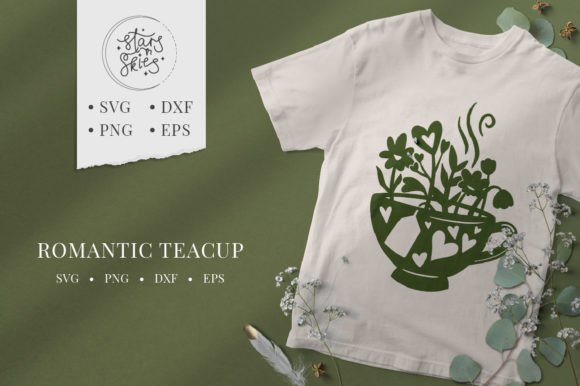
When I opened Romantic Teacup, I didn’t see cliché hearts or frilly script—I saw quiet intention. The design breathes like a slow pour of Earl Grey: gentle curves, open negative space around the cup’s handle, and subtle botanical flourishes that suggest tea leaves swirling—not spelling out “love” but inviting it. As a designer who’s stitched hundreds of craft projects for Etsy sellers and boutique clients, I immediately sensed this isn’t a shout-it-from-the-rooftop motif. It’s a whisper—perfect for customers who want handmade charm without saccharine overload.
A Real Project Test: Embroidering a Linen Tea Towel for a Local Kitchen Shop
Last week, I used Romantic Teacup on a 100% linen tea towel—part of a small batch for a downtown kitchen shop launching a “Slow Living” collection. Why this design? Because it holds up at 3.5 inches wide without losing legibility, and its balanced weight (neither too dense nor too sparse) stitched cleanly on medium-weight linen with tear-away stabilizer. The cup’s rim and saucer edge use crisp satin stitch, while the trailing vine detail relies on thoughtful fill stitch gradients—not heavy block fills. That meant no puckering, no thread breakage, and zero need to re-hoop mid-stitch. Customers loved how it looked both elegant and approachable—like something you’d gift a friend who just adopted a cat and started brewing loose-leaf tea.
Where Romantic Teacup Shines—and Where It Asks for Care
Romantic Teacup works beautifully on:
- Custom apparel: especially lightweight sweatshirts and relaxed-fit tees where softness matters more than flash;
- Tote bag designs: centered above the pocket or nestled in the lower corner—it reads clearly even at 4 inches;
- Baby embroidery: think organic cotton onesies or muslin burp cloths—the motif feels tender, not trendy;
- Embroidered patches: clean outlines and moderate detail make it ideal for iron-on or sew-on versions;
- Holiday embroidery: pair it with cinnamon stick motifs or handwritten “Warm Wishes” for cozy Christmas or Valentine’s Day bundles.
But be thoughtful about placement and fabric:
- Avoid tight hoop sizes under 4x4 inches—the vine element extends just enough to risk clipping if scaled down aggressively;
- Test carefully on textured fabrics like terry cloth or bouclé—those delicate leaf tips can blur if stabilizer isn’t matched precisely;
- Thin or stretchy fabric? Use cutaway + tear-away combo; the design’s light-to-medium stitch density won’t hold on jersey alone;
- Dark fabric demands contrast: try ecru or pale sage thread instead of white—it reads warmer and avoids glare;
- Caps and curved surfaces require repositioning the cup’s base slightly upward so the saucer doesn’t distort on the crown.
What This Design Does for Your Craft Business
Romantic Teacup elevates perceived value without demanding premium pricing. On an Etsy listing, it helps tell a story—“hand-stitched calm,” “mindful making,” “gifts that pause time.” I’ve watched small shop owners report higher engagement when using it on pillow covers or aprons: buyers comment on “feeling seen,” not just “cute design.” That emotional resonance builds trust. And because it’s not overly detailed or trend-dependent, it fits seamlessly into brand consistency—whether your shop leans boho, minimalist, vintage, or modern cottagecore.
For digital product sellers, Romantic Teacup is strong as a standalone embroidery file or bundled with coordinating motifs (a single rose, a steam swirl, a tiny crescent moon). It scales well for printable mockups—looks authentic on flat-lay photos of ceramic mugs and folded towels. Just remember: if you’re selling finished products made with this design, confirm licensing terms first. As a Graphics category asset, it’s built for creative reuse—but always verify commercial rights before adding it to your craft business inventory.
Practical Notes Every Embroidery Designer Should Check
Before stitching your first Romantic Teacup project:
- Test on scrap fabric—especially if using textured or dark material;
- Review stitch density visually in your embroidery software: look for any over-stitched corners near the handle curve;
- Check thread color contrast on both light and dark backgrounds—some pale greens or greys disappear on oatmeal linen;
- Confirm hoop size compatibility with your machine’s standard hoops (most users will need at least 4x4);
- Inspect small details like the tip of the vine or inner cup contour—they’re intentional, not errors;
- Try black-and-white mockups to assess silhouette strength—this design holds up well in monochrome;
- Use proper stabilizer: medium-weight cutaway for knits, tear-away for stable wovens;
- Ask yourself: does this support my brand voice? Does it feel cohesive alongside my other embroidery files or handmade products?
Final Thought: A Design That Serves the Maker—and the Moment
Romantic Teacup isn’t flashy. It doesn’t scream for attention. But in a market saturated with loud, fast, algorithm-friendly graphics, that’s its quiet power. It supports slow craftsmanship. It invites thoughtful placement—not filler decoration. Whether you’re embroidering a baby’s first tea set-themed bib, customizing staff aprons for a neighborhood café, or building a signature line of holiday kitchen towels, this design earns its place by behaving well, reading clearly, and resonating long after the hoop comes off. For crafters, Etsy sellers, and creative entrepreneurs who value integrity in their embroidery project choices, Romantic Teacup delivers more than visual appeal—it delivers reliability, mood, and meaning, one careful stitch at a time.