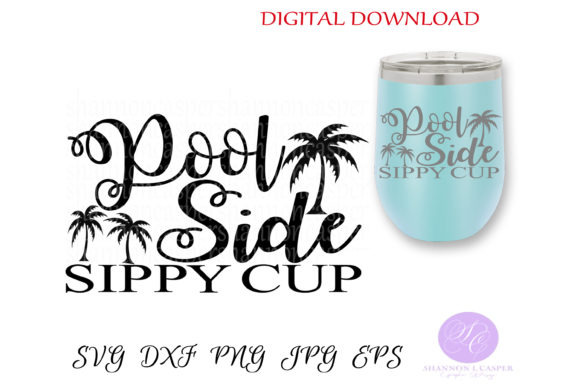
Pool Side Sippy Cup: A Designer's Honest Embroidery Review
There is something instantly charming about a design that does not try too hard. That was my first thought when I opened the Pool Side Sippy Cup file. I have been reviewing embroidery designs and digital graphics for small-batch production for over a decade, and I can usually tell within seconds whether a design will actually work on fabric or just look pretty on a screen. This one surprised me in the best way. It feels playful without being juvenile, relaxed without being sloppy, and versatile enough to span a surprisingly wide range of finished products.
The mood is pure summer ease. You can almost hear the splash of water and feel the sun on your skin just looking at it. The cup shape is recognizable and friendly, with a personality that leans into the kind of casual, feel-good aesthetic that sells incredibly well on handmade marketplaces, at craft fairs, and in boutique shops. But does it stitch out as cleanly as it looks on screen? That is the question I set out to answer, and what follows is my honest, practical breakdown for embroidery designers, small business owners, crafters, and anyone who wants to use this design for real projects that real customers will hold in their hands.
First Impressions and Visual Personality
The Pool Side Sippy Cup design lands somewhere between a playful summer icon and a subtle lifestyle statement. It is not overly detailed, which is a genuine advantage in the embroidery world. Too many designs arrive with impossibly tiny elements that turn into blobs of thread the moment your machine gets to work. This one feels like it was created by someone who understands that simplicity often stitches better, wears better, and sells better.
The downloadable file package includes 1 SVG, 1 DXF, 1 PNG, 1 JPG, and 1 EPS file, all designed in high resolution. That is a solid, practical bundle. The vector formats give you flexibility for resizing and cleaning up the design before digitizing, while the raster files are ready for mockups, product previews, and listing photos. As someone who regularly prepares Etsy listings and craft fair signage, I appreciate having both vector and high-resolution raster options in the same folder. It saves time and keeps the visual brand consistent across print and embroidery applications.
Where This Design Truly Belongs
I spent a good hour mentally placing this design on different products, and the list grew longer than I expected. The obvious starting point is custom apparel. A lightweight sweatshirt with this design stitched on the left chest or centered on the back feels like an instant summer staple. I can picture it on a faded terry cloth hoodie, a slouchy beach cover-up, or a crisp white tee sold as part of a vacation capsule collection.
Then there is the tote bag category. A canvas tote with the Pool Side Sippy Cup embroidered in bright, cheerful thread colors would be an easy seller at farmer's markets, poolside pop-ups, and summer gift shops. The design has enough personality to stand alone without needing extra text or embellishment, which is a mark of strong visual design.
I also thought about baby and toddler items. The sippy cup theme naturally connects to little ones, and the design would look adorable on a baby bib, a onesie, or a small toddler backpack. It is friendly without being overly cutesy, which parents tend to appreciate. A matching mom-and-me set with a mom's tote and a baby's bib both featuring the same design? That is the kind of product pairing that catches attention on Etsy and Instagram.
Other strong candidates include aprons for summer barbecues, pillow covers for pool house decor, tea towels for a kitchen refresh, and patches that can be sewn onto denim jackets, caps, or beach bags. The design could also be used as a printable mockup element for digital product sellers who create lifestyle graphics for the Crafts category. The EPS and SVG files make it easy to drop into branding kits, sublimation layouts, or sticker sheets, which expands its usefulness beyond just embroidery.
Real-Life Scenario: Prepping for a Summer Craft Market
Let me walk you through a practical scenario. I am currently working on a batch of products for a summer craft market, and I needed a design that could work across multiple items without looking repetitive. My goal was to create a cohesive mini-collection around a poolside theme. I tested the Pool Side Sippy Cup on three different products: a natural canvas tote, a soft cotton sweatshirt, and a set of linen tea towels.
On the tote, the design stitched out beautifully. The medium-weight canvas held the stitches well, and I used a mid-weight cutaway stabilizer to keep everything crisp. The shapes were clear, the curves were smooth, and the overall look was polished enough to sell as a finished handmade product. I chose a bright turquoise thread for the cup body and a soft coral for the accent details, and the contrast against the natural canvas was exactly what I wanted.
The sweatshirt required a bit more care. I used a fusible mesh stabilizer to prevent the knit fabric from stretching during stitching, and I hooped carefully to avoid distortion. The design held up nicely, though I would recommend testing your thread tension on a scrap piece first. Fleece and French terry can be forgiving, but they can also hide small stitch inconsistencies that become obvious only after washing. I ran mine through a gentle cycle and tumble dry low, and the design looked just as good afterward.
The linen tea towels were the most delicate substrate. I used a tear-away stabilizer and kept my stitch speed moderate. Linen has a looser weave, so detail retention can be tricky, but the relatively simple shapes in this design worked in my favor. The finished towel looked charming and handmade in the best sense, not messy or amateur.
Stitching Clarity and Design Practicality
One of the most important things I evaluate in any machine embroidery design is how well it translates from screen to thread. Digital files can look flawless on a monitor, but embroidery is a physical medium. Thread has thickness, fabric has texture, and stitches have direction. The Pool Side Sippy Cup, with its clean lines and uncluttered layout, gives you a solid foundation for a clean stitch-out.
I would recommend paying close attention to stitch density when digitizing from the provided vector files. If you are converting the SVG or EPS into an embroidery file, test different density settings on a sample piece of the same fabric you plan to use for production. Too dense and the design will feel stiff and cardboard-like; too sparse and the fabric will show through in ways that cheapen the look. The high-resolution source files give you a sharp starting point, so you can focus on getting the digitizing right rather than fighting a blurry original.
Thread color selection is another creative opportunity here. The design invites playful palettes. Think bright citrus tones, aqua blues, sunny yellows, or even neon accents for a retro pool party vibe. On darker fabrics, you will want to use lighter, more saturated thread colors to maintain contrast and visibility. I always test my thread choices on both light and dark fabric swatches before committing to a full production run. A design that pops on white might disappear on charcoal, so doing a quick black-and-white mockup as part of your prep process is a smart habit.
Where to Use Caution
No design is right for every situation, and responsible reviewers point out the limitations alongside the strengths. For the Pool Side Sippy Cup, I would be cautious about using it on very small hoop sizes. If you shrink the design too much to fit a tiny hoop, you risk losing the readability of the cup shape and any finer interior details. The sweet spot, in my experience, is a medium to large embroidery area where the design has room to breathe.
Stretchy fabrics like performance wear, thin ribbed knits, and ultra-light jerseys can also be challenging. The design is not overly complex, which helps, but you still need the right stabilizer and hooping technique to prevent shifting and puckering. For curved surfaces like caps and hats, the design can work, but I would test the placement carefully. The cup shape needs to sit naturally on the curved panel without looking distorted or squeezed.
If the design includes any tiny lettering or very fine decorative accents, inspect those areas closely on your test stitch-out. Small text can close up quickly if the thread is too thick or the stitch length is too short. I cannot confirm whether this particular design contains lettering, so I advise examining the source files yourself before digitizing and making any adjustments needed for your specific machine and materials.
Commercial Use and Licensing Awareness
This is a point I always emphasize when reviewing digital embroidery files and design assets. The downloadable package includes SVG, DXF, PNG, JPG, and EPS formats, which makes it versatile for multiple creative streams. You can use the Graphics for embroidery digitizing, printable products, sublimation, and branding. But before you sell finished items featuring this design, or include it in a digital product bundle, you must confirm the commercial licensing terms.
I cannot state the specific license for this product, so please check what is included with your purchase. Many designers allow commercial use on physical finished products like embroidered shirts, tote bags, and patches, but may restrict reselling the digital files themselves or using them in new digital design packs. Understanding your license protects your craft business and keeps everything above board. This is especially important for Etsy sellers and small shop owners who are building a brand around consistent, legally sound product lines.
How Buyers Respond to This Style
Over the years, I have noticed that customers gravitate toward designs that feel specific without being niche. The Pool Side Sippy Cup hits that sweet spot. It is clearly a summer-themed design, but it is not so narrowly tied to a single holiday or event that it becomes irrelevant after a certain date. You can sell it from late spring through early fall, and it works for vacations, pool parties, beach trips, barbecues, and everyday summer fun.
From a handmade product perspective, this design adds a layer of personality that generic floral or geometric patterns often lack. It tells a tiny story. A customer picking up a tote bag or a sweatshirt with this design on it feels like they are buying into a mood, not just a product. That emotional connection is what drives repeat sales, positive reviews, and word-of-mouth referrals. It also photographs well for social media, which is a practical consideration for any maker trying to grow an online presence.
Practical Designer Notes for Best Results
Before you run a full batch of products with the Pool Side Sippy Cup, here is my standard pre-production checklist. Test the design on a scrap of your actual production fabric first. Do not assume that what works on cotton broadcloth will look the same on a fleece hoodie or a canvas tote. Check your thread color contrast in natural daylight and under indoor lighting, because customers see products in both settings. Review the stitch density and make small adjustments based on how the fabric responds. Confirm your hoop size leaves enough margin around the design for clean hooping and alignment. Inspect every small detail on the test stitch-out with a critical eye, and do not hesitate to tweak your digitizing settings if something looks slightly off.
Use the right stabilizer for your fabric type. Cutaway for knits and stretchy fabrics, tear-away for wovens with stable structure, and fusible mesh for delicate or lightweight materials. These basics make the difference between a product that looks professionally made and one that looks like a practice project.
For those who sell digital products, the high-resolution PNG and JPG files are excellent for creating printable mockups and listing images. You can layer the design onto lifestyle photos of blank products to show customers what the finished item will look like, which is a proven conversion booster on Etsy and other handmade platforms.
Final Thoughts on the Design's Value
After working with the Pool Side Sippy Cup across multiple substrates and thinking through its applications for both personal projects and commercial products, I can say this is a genuinely useful design asset. It is not trying to be everything to everyone, and that is precisely why it works. It knows what it is: a cheerful, well-drawn summer motif that stitches out cleanly, appeals to a broad audience, and fits comfortably into a wide range of product categories.
For embroidery designers preparing custom apparel, crafters making personalized gifts, and small shop owners building a cohesive seasonal collection, this design offers solid creative potential without the headaches that come with overly complicated artwork. The file bundle is practical, the resolution is high enough for crisp printing and digitizing, and the theme is evergreen enough to return to year after year.
If you are looking for a design that brings a little poolside sunshine into your embroidery projects, your craft business, or your handmade gift lineup, the Pool Side Sippy Cup is well worth testing. Just remember to do your due diligence on digitizing settings, fabric choices, and licensing terms, and you will be set up for a smooth, successful production run.