Care Card: A Graphics Asset for Crafts Sellers
First Impression and Visual Personality
When I first opened the Care Card zip folder, I immediately saw a design that leans into a gentle, heartfelt aesthetic. The artwork doesn’t shout for attention; it whispers. That’s a valuable quality in a crowded creative marketplace where buyers often seek comfort and emotional connection. The mood feels nurturing, softly encouraging, and mildly rustic — the kind of graphic you’d expect to find on a get-well card, a kindness-themed printable, or a sentiment-driven t-shirt.
For a seller, this means the asset can attract a specific buyer persona: someone shopping for thoughtful gifts, self-care merchandise, or community care projects. It’s not overly cute or excessively elegant, but it sits in a warm, approachable middle ground. I’d describe the visual personality as gentle modern crafts with a hint of handmade charm. This makes it a solid candidate for product lines centered around wellness, gratitude, encouragement, or seasonal kindness.
What’s Inside the Download
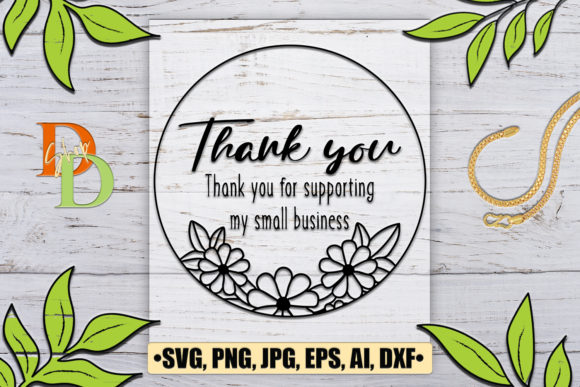
The product description promises six files in one zip, and that’s exactly what you get. Inside, you’ll find a vector AI, vector EPS, vector SVG, vector DXF, a high-resolution PNG, and a helpful JPG preview. This bundle covers both graphic design asset flexibility and crafts compatibility. The vector formats are essential for scaling without quality loss, and the DXF file is a welcome addition for those who work with cutting machines. Having a PNG with a transparent background means you can drag and drop Care Card into nearly any project without a tedious isolation step.
From a digital product creator’s perspective, the file selection is practical. You aren’t forced to convert files yourself, and you can serve both Cricut users and Canva template sellers without extra work. The only thing missing is a layered PSD, but for a crafts-focused asset, that’s rarely a dealbreaker.
Testing the Asset for Real Selling Situations
Before I ever list a printable design or SVG design in my shop, I run it through a simulation of how it will actually be used. I took Care Card and placed it into several product scenarios to see where it felt natural and where it might struggle.
Mockup Tests for Print-on-Demand and Merch
I started with a simple t-shirt mockup. The graphic has a soft, hand-drawn quality that transfers nicely to apparel. On a light heather gray background, the design felt authentic and wearable. For a mug design, I scaled it down slightly and centered it; the result was a warm, thoughtful coffee mug that could sell well in a kindness-themed bundle. I also tested it on a tote bag and a simple notebook cover. The graphic held up, especially when paired with a short, compassionate phrase in a clean serif font.
For sublimation design products, the PNG version worked beautifully. I printed a test onto a small fabric pouch, and the colors stayed true. The soft edges of the illustration gave it a watercolor-like feel, which is extremely popular among Etsy product buyers right now.
Digital Download and Printable Scenarios
Next, I built a simple greeting card layout. Care Card sat naturally as the focal point, leaving room for a handwritten-style message. I also placed it inside a planner sticker sheet arrangement. At smaller sizes, some fine details began to lose clarity, so I’d be cautious about shrinking it below one inch. As a clipart element in a larger bundle, it could add emotional variety to a collection of motivational graphics.
I created a quick Canva template using the PNG. It imported cleanly, and even with basic text overlays, the design maintained its integrity. For Canva template sellers, this is a useful asset to include in a set of wellness or self-care social media templates.
Cricut and Silhouette Cutting Tests
Using the SVG and DXF files, I ran a test cut on a Cricut machine. The cut lines were clean, but the design has a few intricate inner curves that require a sharp blade and a sticky mat. I wouldn’t recommend it for tiny sticker designs or very small decals, because the narrow paths can tear or lift. However, for a medium-sized cardstock card or a heat-transfer vinyl project, it performed well. If you package this as a Cricut project file, include a note about recommended size and material settings.
Where This Design Shines Brightest
Care Card is at its best when it’s given space to breathe. Large product previews, decorative wall art prints, and whole-panel designs let the gentle linework and soft composition stand out. I found it especially effective in:
- Printable posters for nurseries or counseling offices
- Greeting card fronts with a single heartfelt message
- Social media graphics for wellness brands or community pages
- Tote bag prints and tumbler wraps where the emotional tone adds value
- Digital scrapbooking kits as a sentimental accent
- Brand identity elements for small businesses focused on care, health, or kindness
The asset also works wonderfully in themed bundles. If you’re building a seasonal collection around gratitude, empathy, or support, Care Card can tie the visual narrative together. It adds a human touch that stock photography often lacks, and that can raise the perceived value of your entire digital product line.
Where You Should Use It Carefully
Like any illustration, this design has limits. I noticed a few scenarios where Care Card didn’t perform as well, and I’d want to warn fellow sellers to avoid these pitfalls:
- Tiny sticker details: At sizes below 0.75 inches, the fine lines blur and lose impact.
- Overly complex layouts: If you layer too many design elements, the gentle nature of the graphic gets lost.
- Low-resolution print products: Always use the vector version for large-scale prints; the PNG is great for web but not for billboard-sized output.
- Crowded thumbnails: In a search grid, Care Card can look faint if surrounded by bold, high-contrast competitors. Boost the thumbnail with a subtle background color.
- Dark backgrounds: The design has light, airy strokes that can vanish on dark surfaces. Test it on a dark mockup before committing.
- Text-heavy templates: The artwork needs breathing room; don’t force it into a corner while a long blog title dominates the frame.
Practical Seller Notes for a Professional Shop
I want to share the exact steps I took before I would feel confident listing Care Card as part of a design bundle or as a standalone product. These checks protect your shop from refunds and negative reviews.
Mockup and Thumbnail Testing
I always test a new graphic design asset on at least three different mockup styles: a white background product shot, a lifestyle scene, and a dark-themed mockup. For Care Card, the white background made the illustration feel airy and clean, perfect for a printable wall art listing. The lifestyle mockup — a framed print on a shelf — added warmth. The dark mockup was problematic; I had to add a soft light halo behind the graphic so it didn’t disappear. As a thumbnail, I cropped it close and added a gentle pastel backing to increase visibility in an Etsy search page.
Print and Cut Quality Checks
I printed the PNG at 300 DPI on matte paper, and the colors remained soft and accurate. I also tested the SVG cut on cardstock and iron-on vinyl. For the Cricut version, I expanded some of the inner cut lines slightly in vector software to make weeding easier. If you’re selling this as a crafts file, I recommend doing the same and including a note about blade depth. The DXF file opened smoothly in Silhouette Studio, which is great for print-on-demand creators who also serve the hobbyist market.
Font Pairing Suggestions
To turn Care Card into a sellable product, you’ll likely add text. I tested several font pairings:
- Serif font (like Playfair Display): Adds a classic, reassuring feel, ideal for greeting cards.
- Sans serif font (like Open Sans): Keeps the design modern and clean, good for social media graphics.
- Script font (like Dancing Script): Enhances the handmade, personal touch, perfect for planner stickers.
- Handwritten font: Matches the artisan vibe, but make sure it’s legible at small sizes.
- Display font: A light, airy display type can work well for a single empowerment word on a t-shirt.
I found that a simple serif or script overlaid on the upper third of the graphic created a balanced, sellable composition. Always embed or outline text before distributing final files to customers.
Organizing the Files for Customers
When you resell or use Care Card as part of a digital download package, presentation matters. I renamed the files clearly (e.g., “CareCard_AI.ai”, “CareCard_SVG.svg”) and included a short text file with usage tips. This small step reduces customer confusion and support emails. I also separated the vector and raster folders, so a Cricut user doesn’t accidentally open the PNG and wonder why it’s not cutting.
Commercial Licensing and Business Applications
Before you build a product around Care Card, confirm the commercial license. As a rule, I never list a design asset for sale until I’ve read the terms. The product description indicates you can use the images for all your projects, which is a good start, but look for specifics about reselling on physical goods, digital redistribution, and print-on-demand platforms. Most commercial design licenses allow use on merchandise, but some restrict selling the design as-is in a competing digital format. If you’re a small business branding consultant, you might also use this graphic in a client’s packaging design or social media graphics kit, but again, check if extended licensing is needed.
For Etsy sellers, Creative Fabrica contributors, and print-on-demand shop owners, this asset can slot into a wide range of products. I’ve used it in a mock nursery print collection, a set of kindness-themed t-shirt designs, and a digital paper pack accent. In each case, the gentle character of the illustration helped create a cohesive brand identity. If you curate a handmade business around emotional wellness, Care Card could become a signature element that ties your product photography together.
Final Verdict for Digital Product Creators
Care Card is not a flashy, trend-chasing graphic. It’s a steady, emotionally intelligent clip art asset that fills a specific niche. For sellers who understand the power of gentle, caring visuals, it can be a reliable addition to product lines. The file variety is generous, and the vector formats open up crafts possibilities that many raster-only designs can’t touch. The main drawbacks are its delicacy at small sizes and its need for careful background contrast. But if you test it thoroughly, pair it with the right fonts, and present it in clean, inviting mockups, Care Card can help you build a product collection that feels both personal and professional. I’ll be using it in my next seasonal kindness bundle, and I expect it to quietly boost my shop’s emotional connection with buyers.